
High-heat & engineering resinsMaterial-led molding
High-heat and engineering resin molding built around material behavior
Infinity connects resin selection, part geometry, mold temperature, processing, and verification so demanding thermoplastics enter production with a complete technical plan.
Start with service conditionsInteractive requirement profile
Select engineering resins for real service conditions
Heat rarely acts alone. Chemical exposure, mechanical loading, dimensional requirements, wear, moisture, and production economics all influence the right resin and processing strategy.
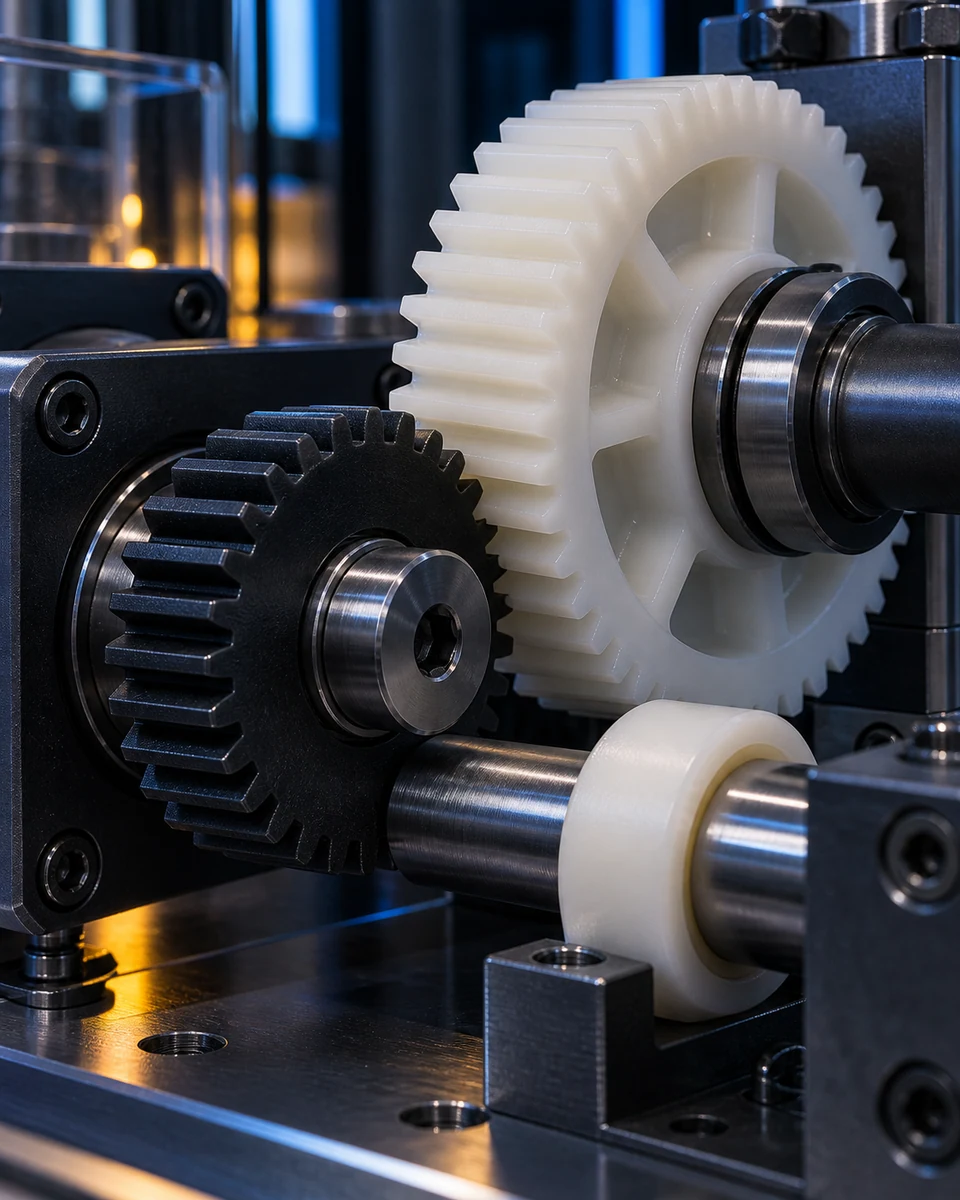
Evaluate continuous heat, peaks, and repeated thermal cycling
Temperature targets influence resin family, reinforcement, wall design, mold-temperature strategy, and the process window required to hold the part stable.
- Define normal and peak service temperatures
- Review cycling, dwell time, and adjacent heat sources
- Connect the requirement to tool and process design
Engineering resin portfolio10 material families
High-heat resin molding across 10 material families
These resin families represent established Infinity experience. Final selection should follow the part drawing, service environment, regulatory needs, supplier grade, reinforcement, and validation plan.
Polyphenylene sulfide
Considered where heat, chemical exposure, and dimensional demands must work together.
High-performance polyamide
Balances elevated-temperature requirements with strength and dimensional stability.
Nylon 6
Evaluated for strength, wear performance, processability, and the application environment.
Nylon 6/6
Used when strength, wear, heat, and moisture effects require a connected review.
Polybutylene terephthalate
An engineering polyester considered for stable electrical, automotive, and industrial parts.
Acetal
Considered for dimensional mechanisms, repeat motion, and precision component applications.
Polycarbonate
A versatile family for transparent, impact-resistant, and dimensionally controlled applications.
ABS
Connects appearance, toughness, processability, and repeatable molded detail.
PC/ABS blend
Combines impact performance, dimensional stability, appearance, and practical processing.
Thermoplastic elastomer
Supports grip, sealing, cushioning, and molded geometry that requires elastic response.
Thermal production architectureMore than a barrel setting
High-heat resin molding depends on controlling the complete thermal system
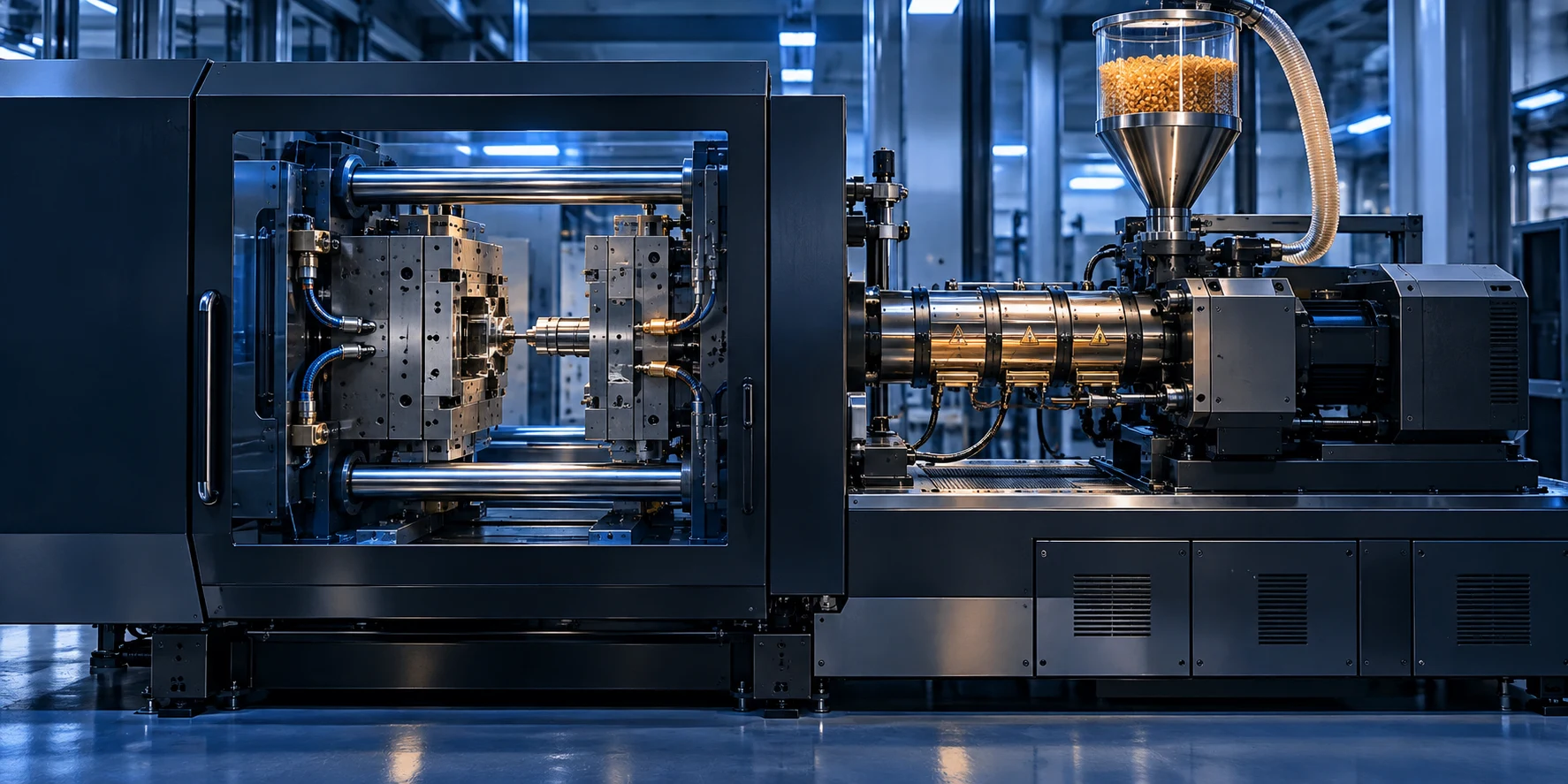
Infinity processes engineering-grade thermoplastics with the machine, mold-temperature control, tooling, auxiliary equipment, and technical oversight aligned to material behavior.
Resin condition and lot identity enter the process plan before plasticizing begins.
Equipment capability must support the material without turning heat into unnecessary residence time.
Controlled mold temperature supports fill, surface condition, crystallization behavior, and repeatability.
Gate, runner, vent, cavity, and temperature-control decisions must fit the selected material.
Infinity also identifies a cleanroom molding machine configured with a high-torque motor and high-output heaters for advanced engineering materials.
Explore cleanroom moldingIncoming material assuranceIdentity before production
FTIR verification on every incoming resin lot keeps material integrity visible
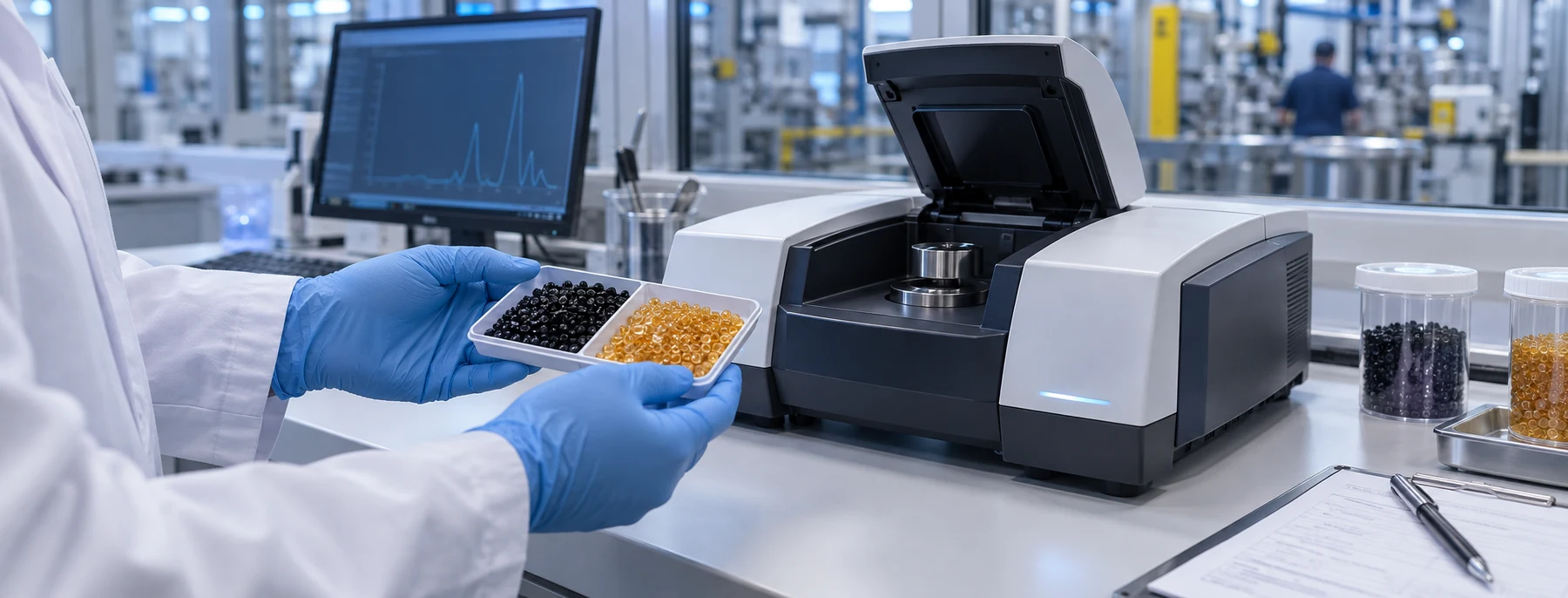
Infinity’s documented incoming inspection process includes FTIR scanning on every resin lot to help confirm material identity before production use.
- Receive
- Lot identity enters the quality system
- Verify
- FTIR provides material-integrity evidence
- Release
- Approved material moves into production
Engineer upstreamResin changes the rules
Engineering thermoplastics reshape part and mold decisions before steel is cut
A material designation is not a complete molding strategy. Grade, reinforcement, shrink behavior, flow, moisture sensitivity, geometry, and performance criteria must be reviewed as one system.
Wall transitions, ribs, bosses, and critical surfaces affect how the material fills and stabilizes
Steel, gating, venting, cavity balance, and temperature control must suit the resin system
Scientific molding defines a repeatable window rather than relying on a single nominal setting
Dimensional, visual, material, and process evidence confirm that the planned system can repeat
Controlled process windowFrom condition to release
Scientific molding creates a repeatable process window
Infinity combines all-electric molding, technical processing, automation, inspection, and validation to keep the approved material strategy connected through production.
- 01ConditionPrepare and identify the resin
Material condition and lot status enter the production record.
- 02PlasticizeBuild a controlled melt
Heat, screw action, torque, and residence time work together.
- 03Fill + holdMove material through the tool
Flow and pressure are developed around part and gate geometry.
- 04StabilizeControl mold temperature
The cavity environment supports repeatable part formation.
- 05ReleaseMeasure the result
Inspection connects the molded part back to the approved window.
Application-led performanceThree production environments
Engineering resin performance across automotive, industrial, and medical markets
Infinity serves automotive, industrial, consumer, and medical programs from two focused facilities on one Mount Vernon campus.
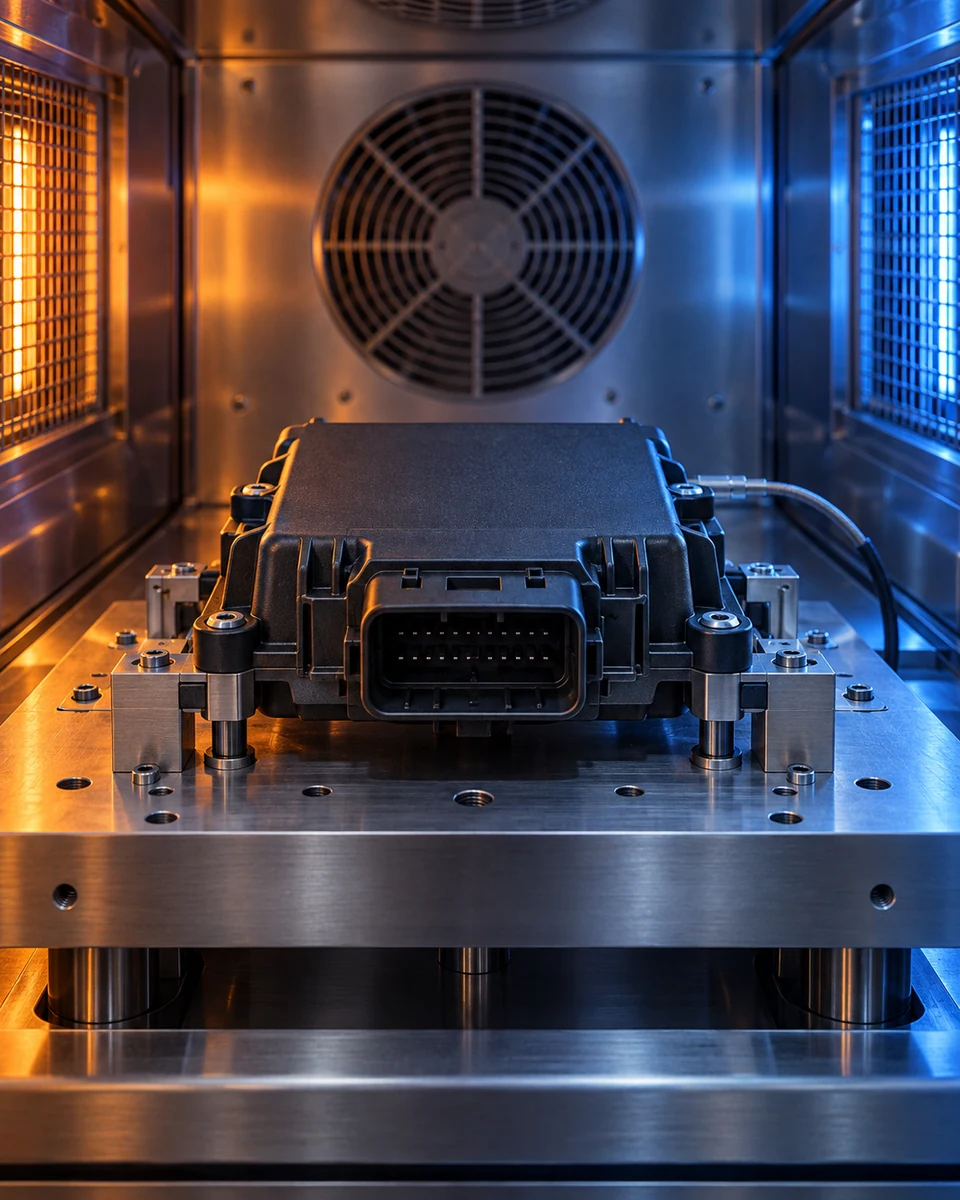
Heat, fluids, electrical demands, and dimensional requirements converge in production components
Typical applications include housings, covers, connectors, impellers, tubes, fittings, gears, actuators, motor end caps, and other functional parts.
Explore automotive moldingDurable mechanisms and fluid-handling parts benefit from material and geometry reviewed together
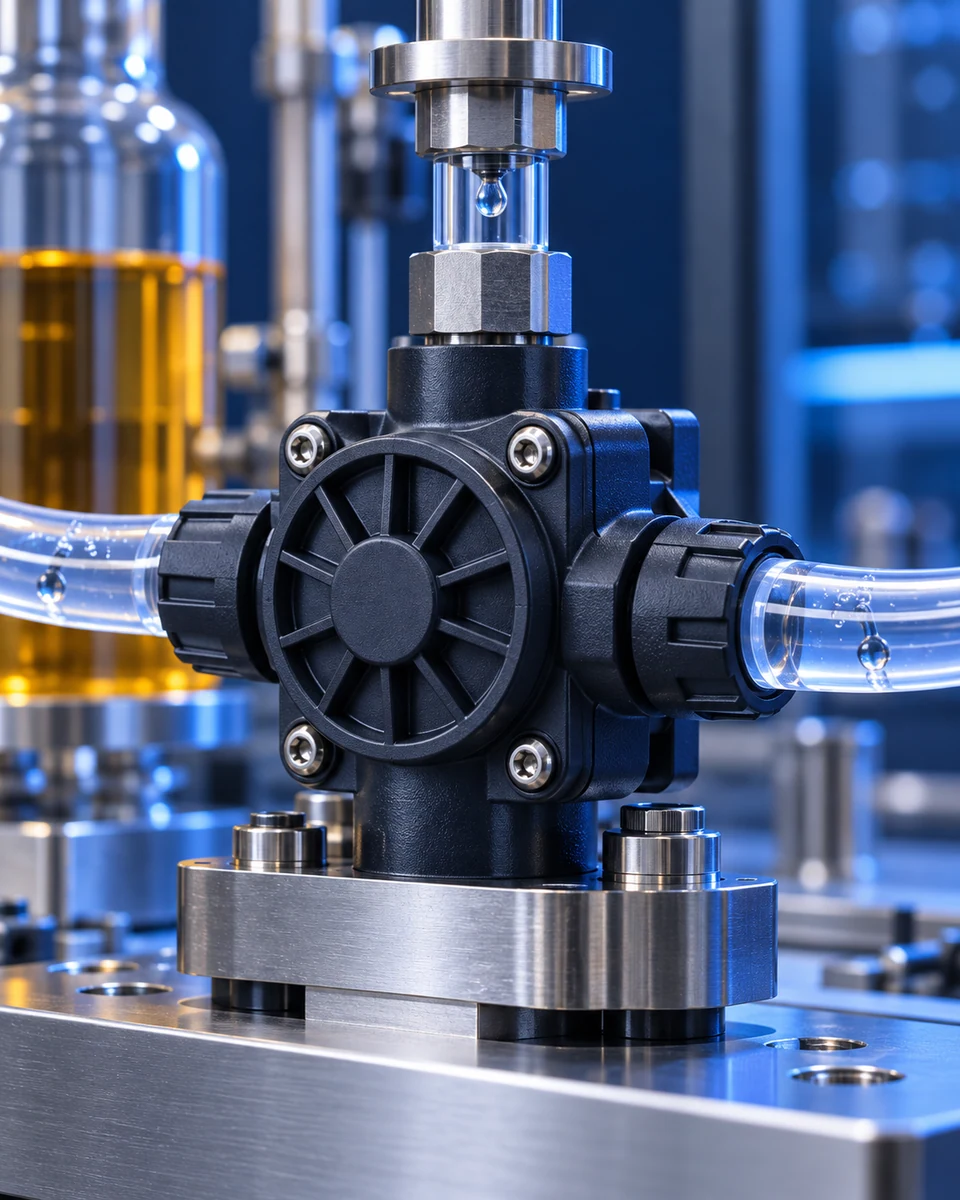
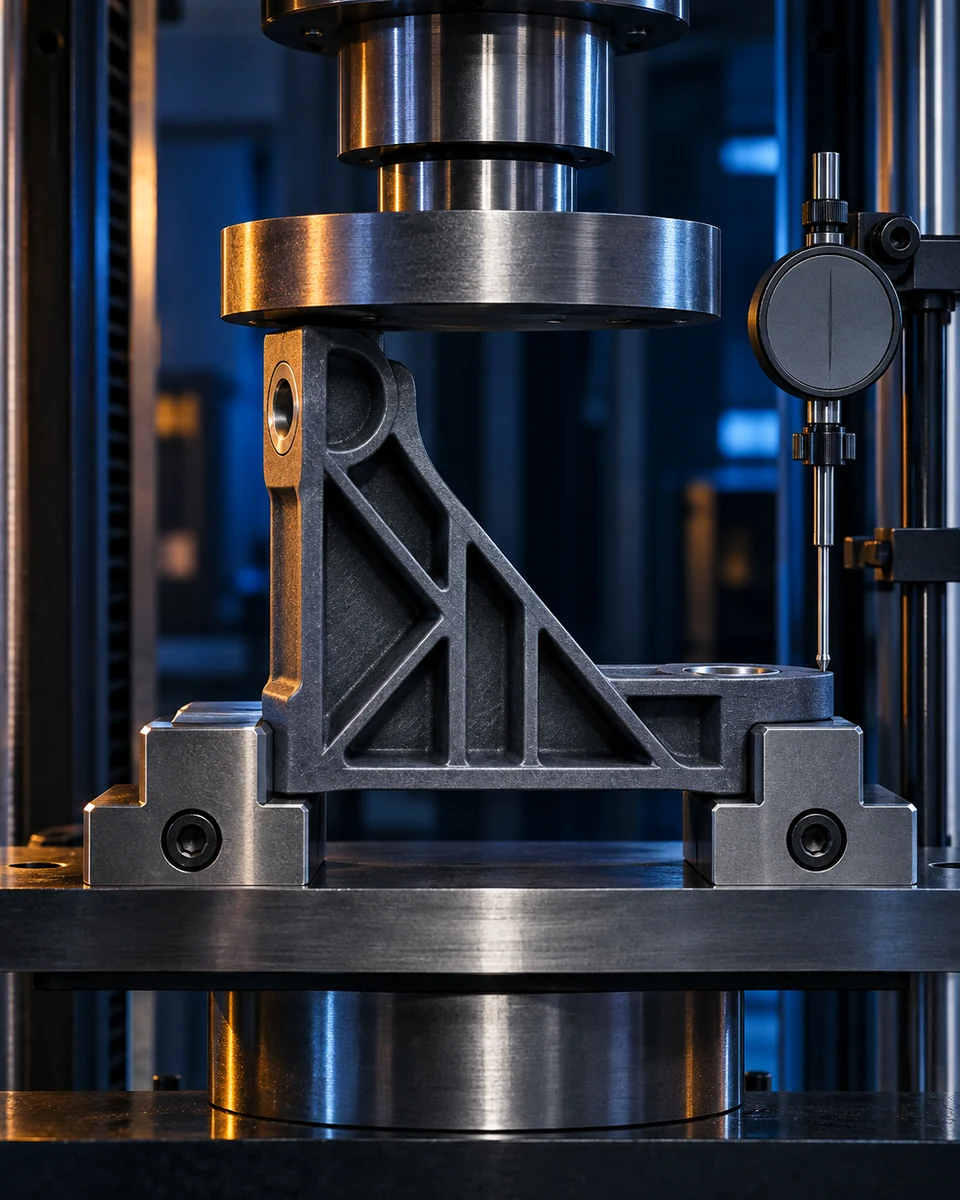
Engineering resins can support wear, dimensional, chemical, electrical, or temperature needs across varied industrial programs.
Explore industrial moldingAdvanced materials can enter a controlled cleanroom path when the program requires it
A specially configured cleanroom press extends high-temperature resin processing into Infinity’s medical manufacturing environment.
Explore medical manufacturingBuild the material briefStart with the operating reality
Define the engineering resin strategy
A useful starting package connects the part design to its environment, critical dimensions, performance expectations, volume, tooling status, and timing.
- Service environmentTemperature, chemicals, moisture, UV, or cleaning exposure
- Mechanical requirementsLoad, impact, wear, motion, stiffness, and life expectations
- Part and program dataCAD, drawing, resin preference, volume, timing, and current tool status