
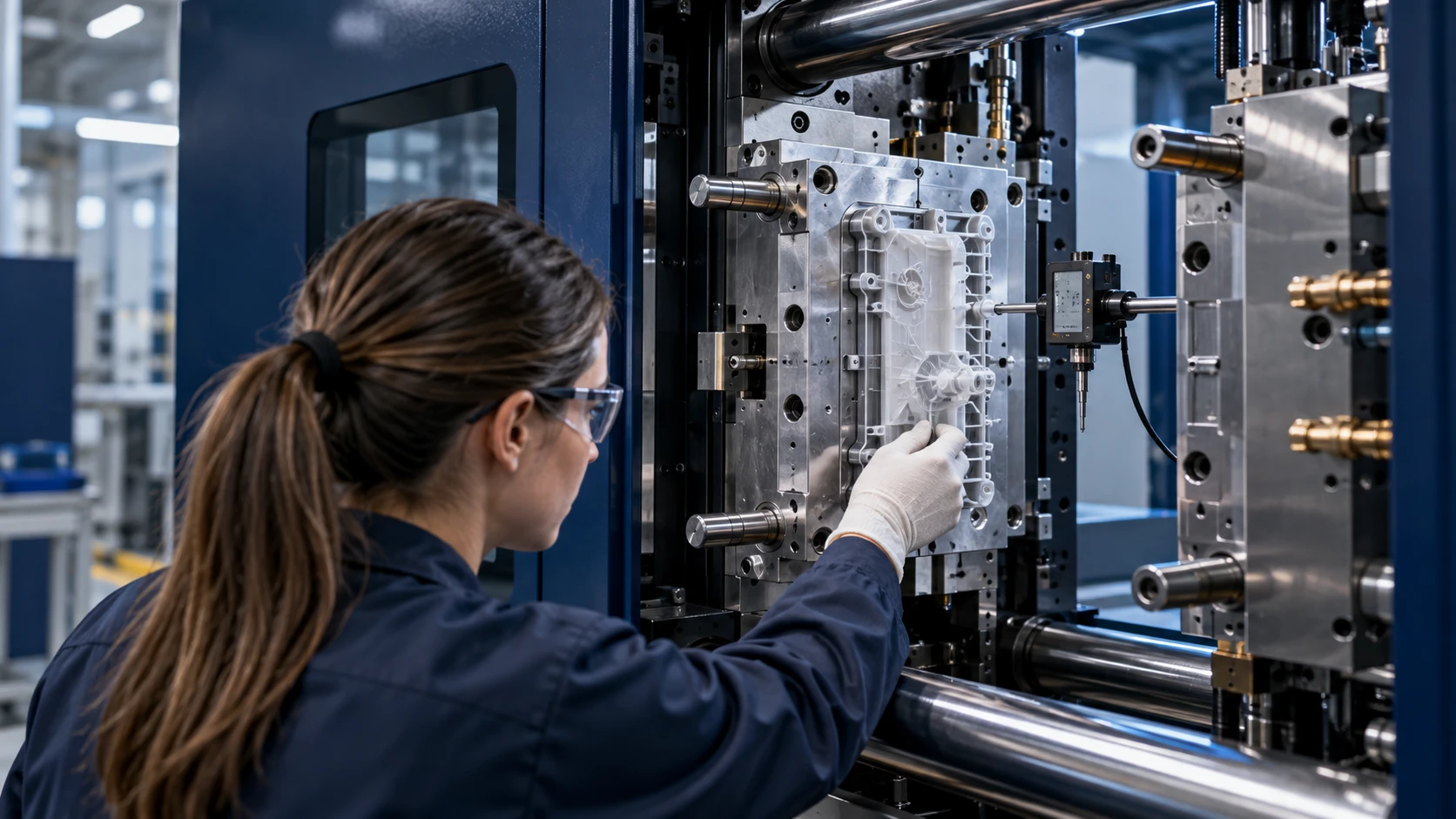
Scientific molding & validation Controlled process development
SMV / 01Tool → machine → resin → part
Scientific injection molding makes repeatable production measurable
Infinity develops the relationship among the tool, machine, resin, and molded part, then turns that learning into a documented method production can monitor and repeat.
Controlled relationship
all-electric presses
ton range across facilities
domestic molding experience
Part-centered development
Four inputs define one repeatable molding method
The process is not developed around one convenient machine setting. It is developed around the finished part and the conditions required to make it consistently.
Tool condition
Geometry, venting, cooling, and mold condition shape how the process behaves.
Machine response
All-electric motion supports controlled, repeatable execution across the molding cycle.
Resin behavior
Material identity, preparation, and thermal response are treated as controlled inputs.
Part response
Dimensions, appearance, function, and application risk determine what the method must prove.
The finished part is the common reference for process decisions.
Scientific process window
Build a process window production can repeat
Select each molding stage to see how the process objective and illustrative part-response profile change without shifting the layout.
Select a stage
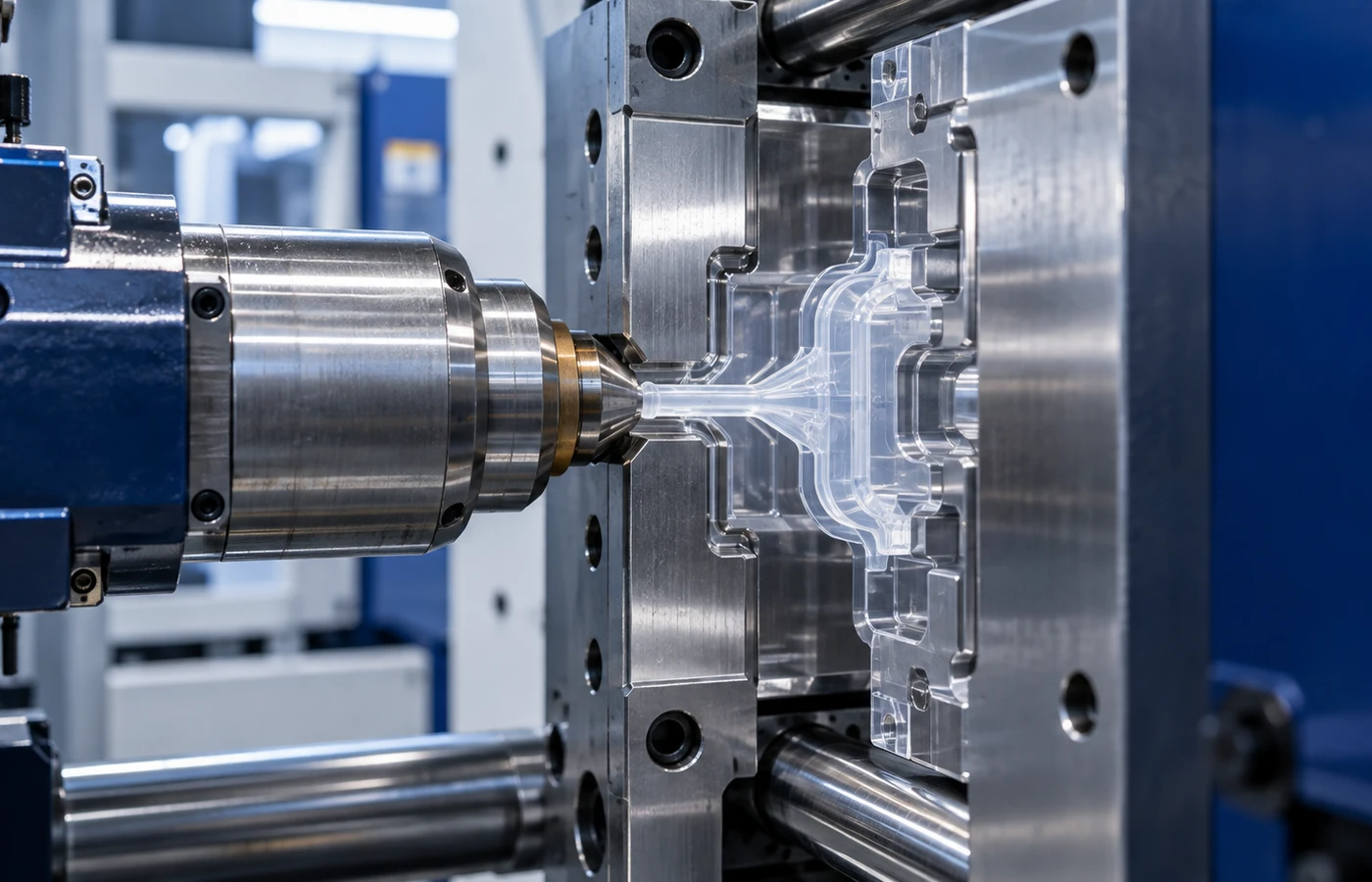
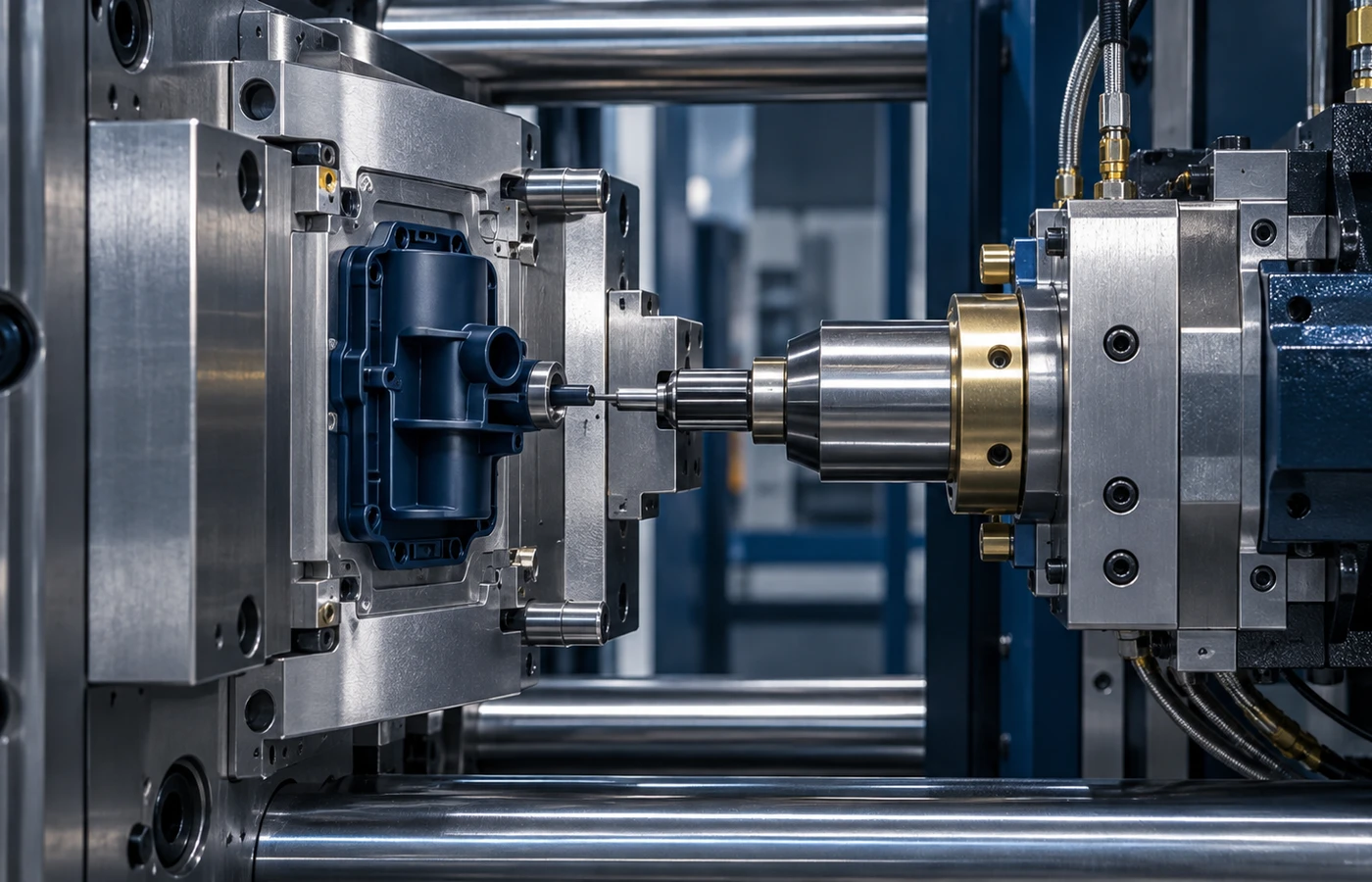
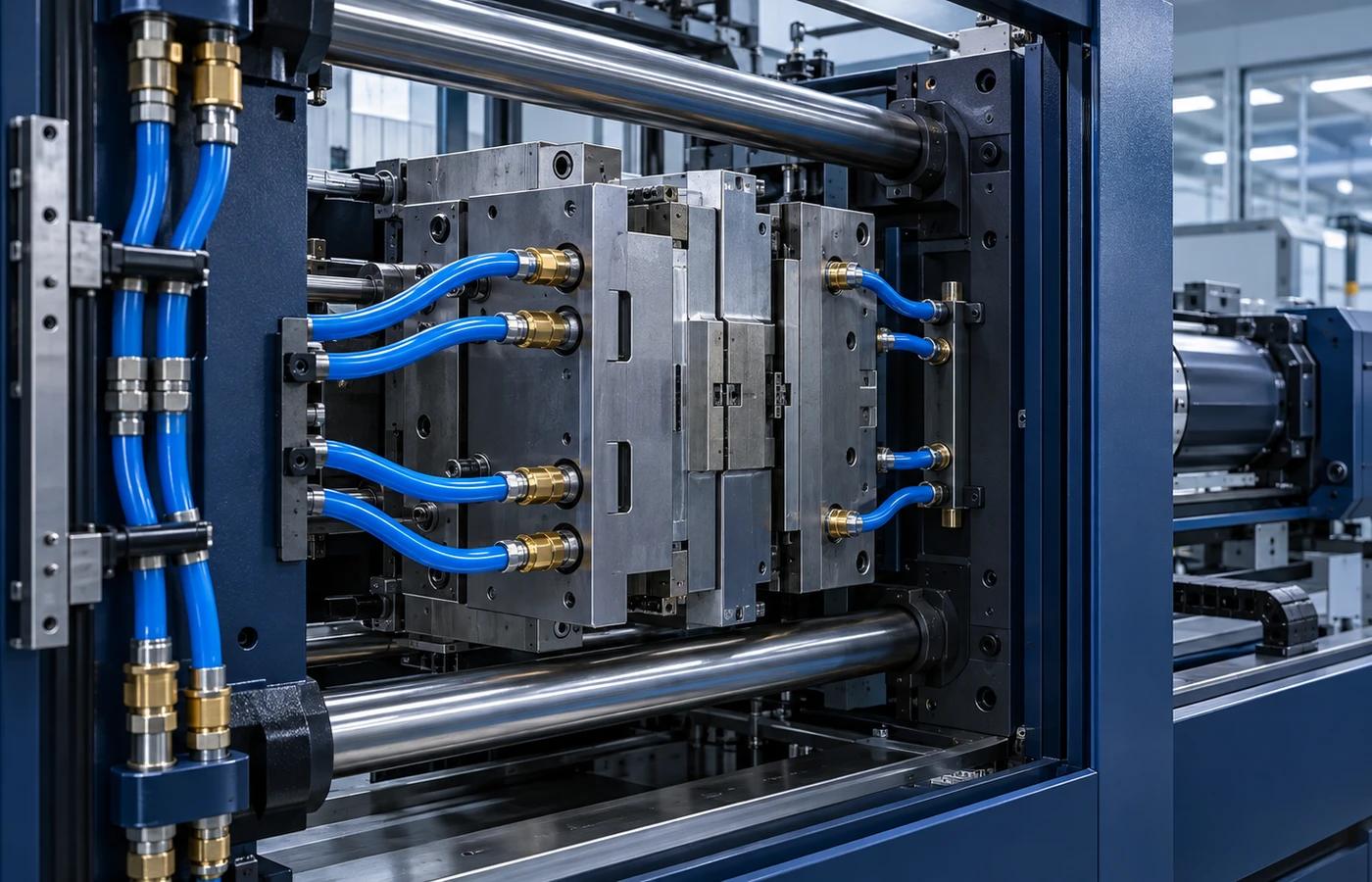
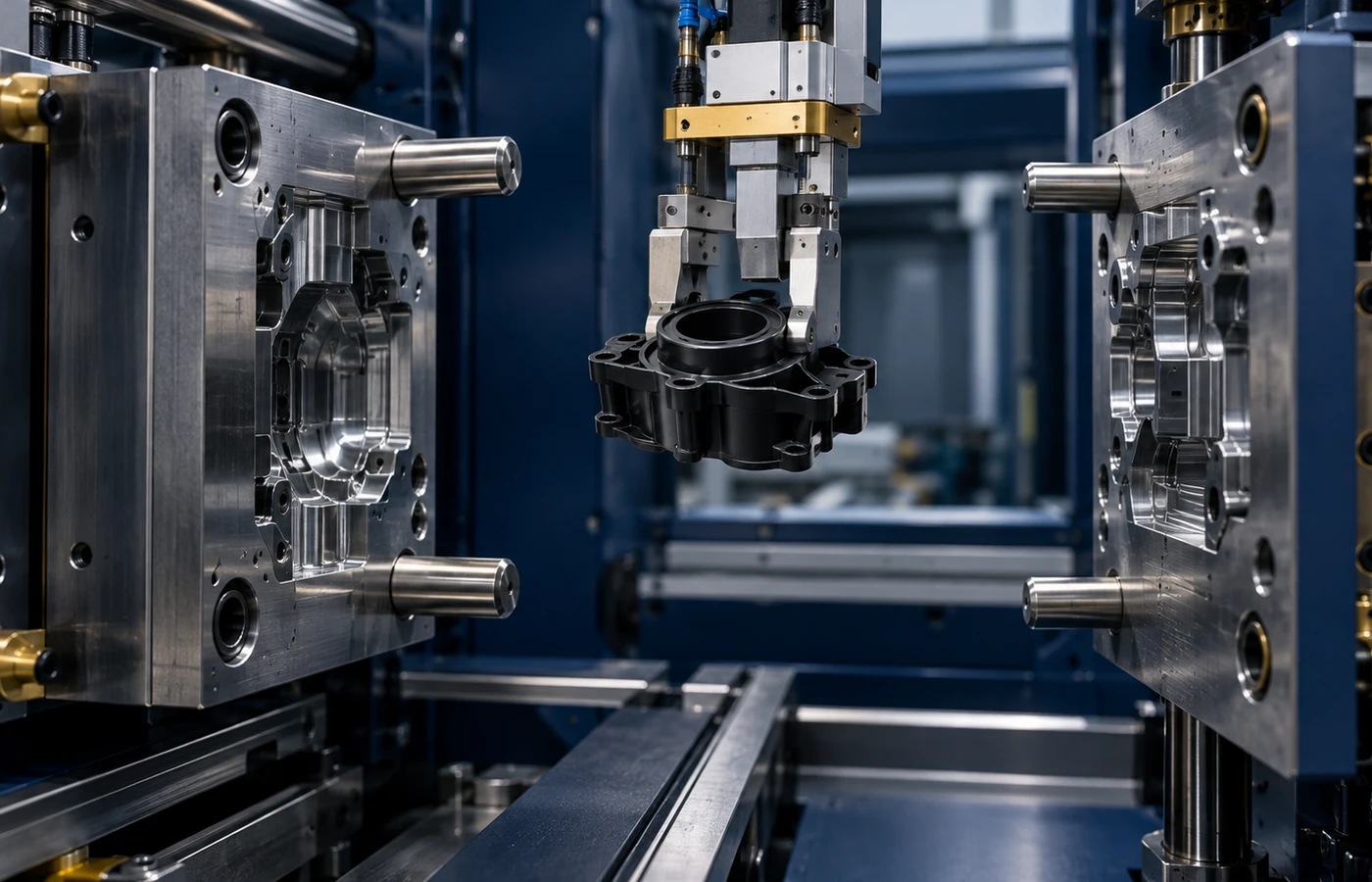
Stage 01 / cavity fill
Establish a controlled fill profile
Evaluate how material reaches the geometry so the method is based on part response, not a single machine setting.
Validation sequence
Develop the method before production depends on it
Engineering intent moves through a connected sequence, so the production team receives a usable method rather than a collection of disconnected settings.
- 01Part intent
Define the response
Align drawing requirements, application conditions, resin direction, and program risk.
- 02Process study
Establish the relationship
Connect tool, machine, material, and finished-part behavior during development.
- 03Window limits
Challenge the boundaries
Understand where the operating method becomes sensitive before routine production.
- 04Measured proof
Confirm with evidence
Use measured parts and inspection results to verify the method against requirements.
- 05Controlled handoff
Release the standard
Document the production method, checkpoints, and reaction expectations for the team.
Measurement closes the loop
Verify the method with part-level evidence
Process development stays connected to on-site measurement, incoming resin assurance, and documented traceability.
Explore on-site metrology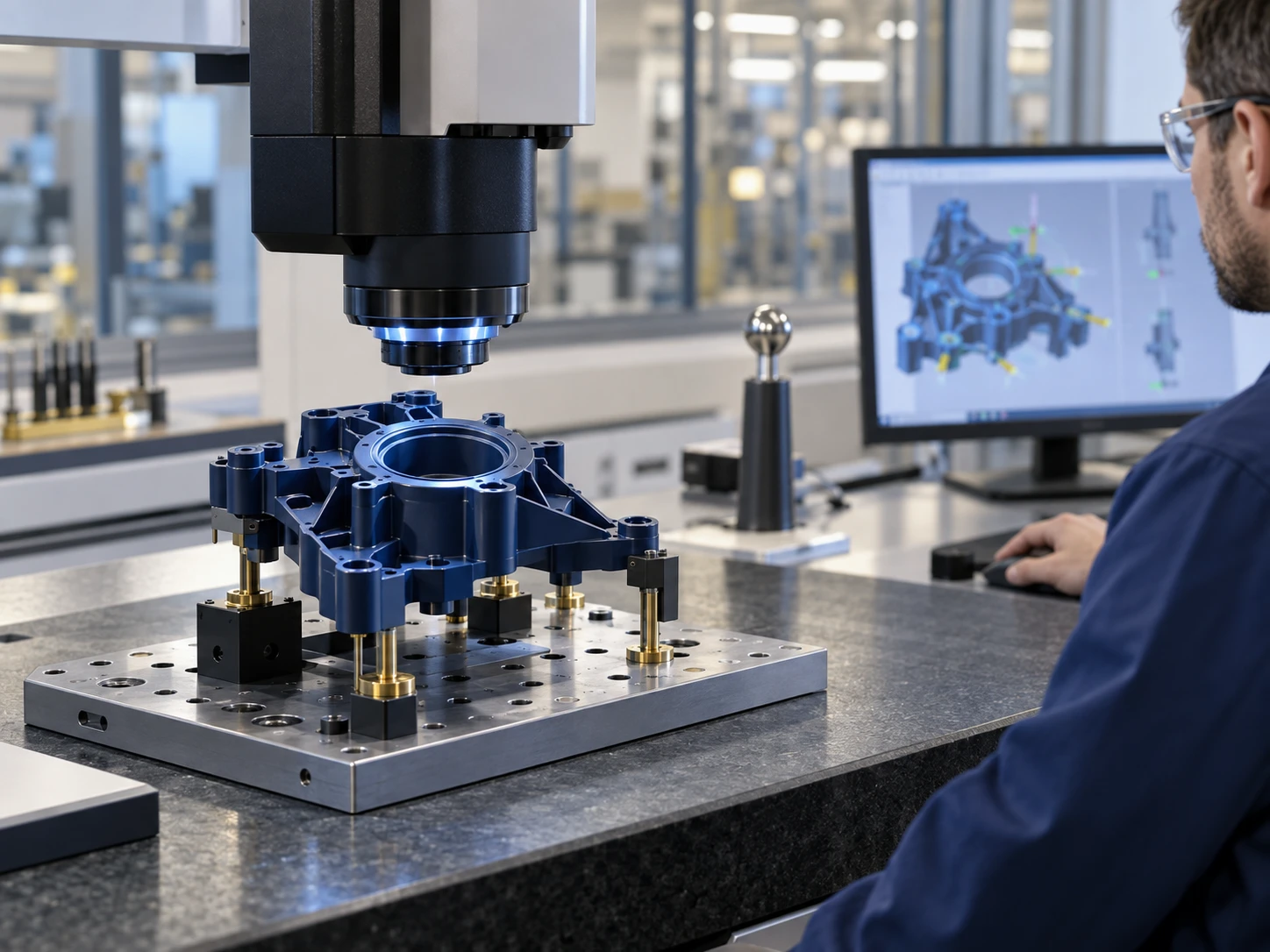
Incoming identity
FTIR scanning on every incoming resin lot supports material integrity before molding begins.
CMM + vision-system capabilities
On-site measurement provides consistent, reliable part evidence.
Documented traceability
Process, material, and inspection records support a clear production history.
Controlled production handoff
Turn process learning into a usable release package
Validation has value when engineering, quality, and production can use the same controlled method across shifts and future runs.
Defined inputs
Approved material, tool condition, machine platform, and preparation requirements.
EngineeringProcess standard
A documented method built around the part response and its stable operating window.
ProcessInspection plan
Measurement checkpoints and evidence aligned with drawing and application requirements.
QualityReaction expectations
Clear direction for monitoring, escalation, and continuous improvement.
ProductionApplication-led validation
Shape the evidence around the program’s real risk
The right process evidence depends on what the part must do, where it will operate, and how the customer will release it.
Start upstream
Put the process questions into the program brief
Share the geometry, resin direction, quality requirements, anticipated volume, and application conditions. Infinity can help organize the manufacturing and validation conversation around what the program must prove.
Start a project conversation- 01Part geometry + drawing requirements
- 02Material direction + service conditions
- 03Critical dimensions + appearance needs
- 04Forecast volume + launch timing
- 05Customer evidence + release expectations